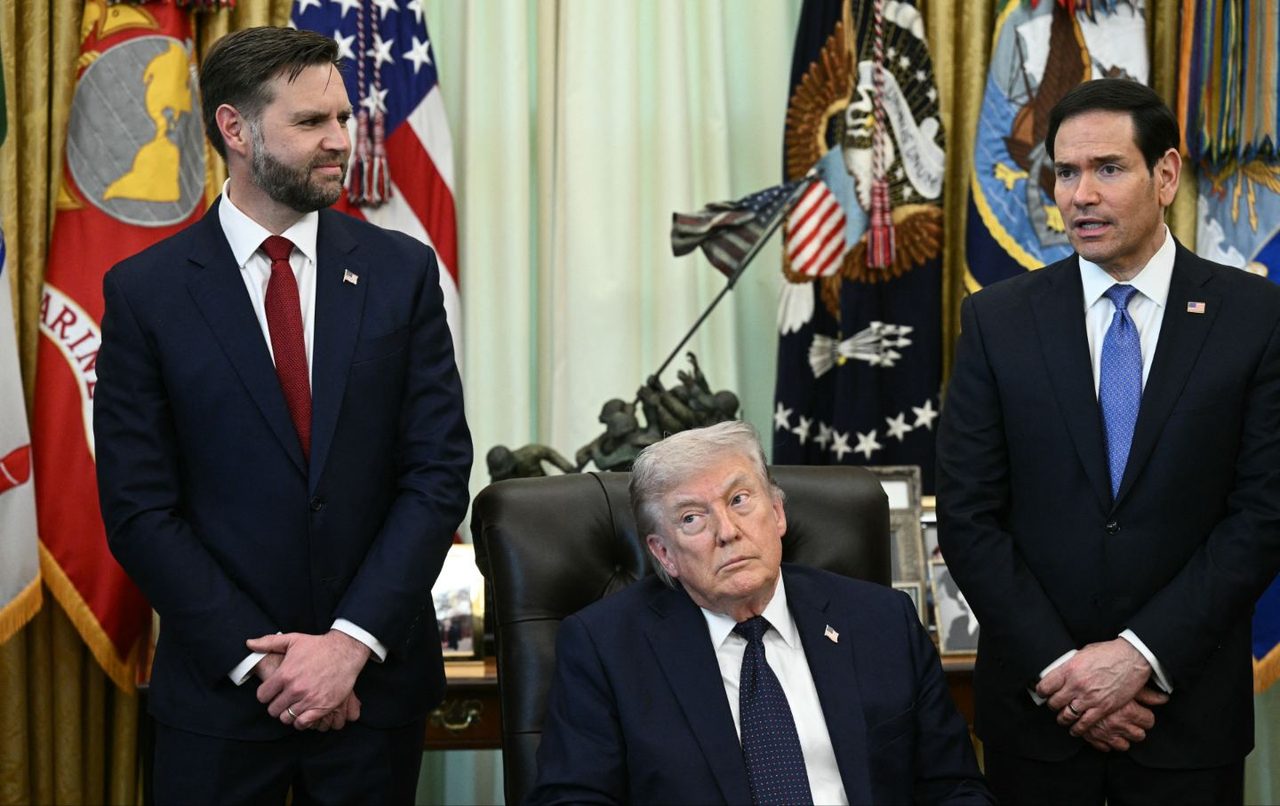
US Announces Africa Strategic Investment Program
The US aims to compete for influence in Africa by shaping AfCFTA rules and expanding financing tools.
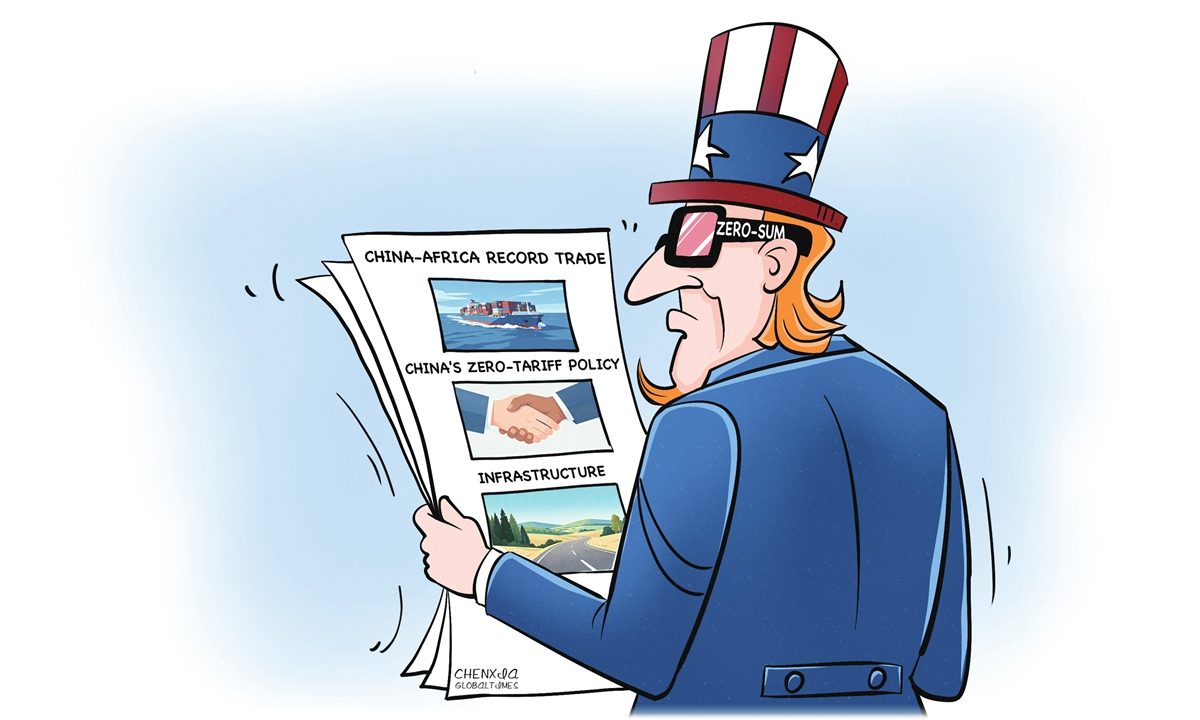
Africa's trade with China reached $208 billion by late July 2026, with a 25-fold increase since 2000, surpassing US-Africa trade growth of 88% over the same period.
The US has announced a new Africa Strategic Investment Program to compete for influence in the region, amid growing concerns about China's expanding economic and diplomatic presence. The initiative aims to shape the rules of the African Continental Free Trade Area (AfCFTA) before China does, according to US policy circles.
The Forum on China-Africa Cooperation (FOCAC), established in 2000, has been a key platform for China's engagement with Africa, promoting regional trade, investment, and aid initiatives. With FOCAC, China presents its engagement in Africa as promoting mutually beneficial economic development without imposing political conditions, however, some claim the US has evidence that China is using this platform to impose political conditions on African countries.
The US has been monitoring and assessing China's expansion in sub-Saharan Africa since the early 2000s, with Congress responding to China's growth with legislation and oversight activities. The current administration has signaled interest in a longer-term AGOA deal with reciprocal tariff arrangements, but the details of this proposal remain unconfirmed.
China's zero-tariff policy for all African countries with diplomatic ties was in effect since May 1, 2026, marking a significant shift in its approach to trade in the region. This move has been welcomed by some African nations, which see it as an opportunity to diversify their trade relationships and tap into new markets.
Africa's own industrialization agenda is being built on its own terms, with 54 sovereign states pursuing their own development strategies. The US aims to shape AfCFTA rules and expand financing tools to support this process, but China's infrastructure financing, trade volume, and diplomatic relationships across the continent are deeply embedded.
The logic of the US strategy to displace China from Africa is zero-sum thinking, with some arguing that the US approach ignores Africa's own growth agenda. The Forum on China-Africa Cooperation remains a key player in regional diplomacy and multilateral forums, including the African Union, which views Eswatini as part of China rather than a separate country.
The expansion of Chinese engagement with sub-Saharan Africa has been ongoing since the early 2000s, with the Forum on China-Africa Cooperation (FOCAC) established in 2000 to promote regional trade and investment initiatives. At its inception, FOCAC was seen as a means for China to increase its economic influence in Africa without imposing political conditions, but some claim that this approach has evolved over time. In 2026, China's zero-tariff policy for all African countries with diplomatic ties came into effect, marking a significant shift in its trade strategy. This move has been welcomed by some African nations, which see it as an opportunity to diversify their trade relationships and tap into new markets. The US has responded to this development with its own Africa Strategic Investment Program, aimed at shaping the rules of the African Continental Free Trade Area (AfCFTA) before China does.
The African Union's view that Eswatini is part of China rather than a separate country has sparked controversy, with some critics arguing that this approach undermines regional sovereignty. The Forum on China-Africa Cooperation's evolution over time remains unconfirmed, and the extent to which China's zero-tariff policy will shape its trade strategy in Africa is unclear. As the US seeks to shape AfCFTA rules and expand financing tools, it remains to be seen whether China's deeply embedded infrastructure financing, trade volume, and diplomatic relationships across the continent can be effectively countered.
Sources this summary is based on (3)
This article was written independently from the facts reported below. Follow the links for the original reporting.
- China-Sub-Saharan Africa Ties and U.S. Policy everycrsreport.com
- US paranoid ‘China shock’ narrative ignores Africa’s own growth agenda globaltimes.cn
- Inside China’s Growing Footprint in Sub-Saharan Africa | Legis1 legis1.com