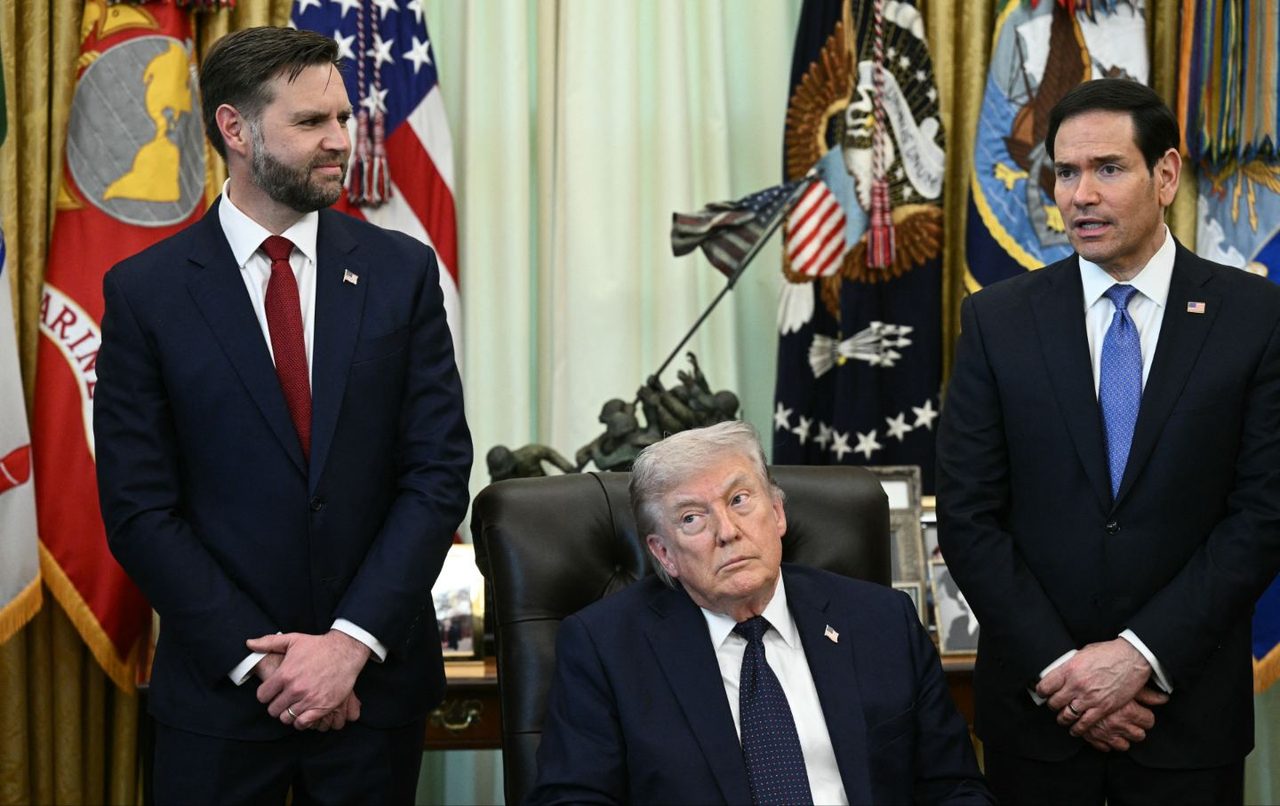
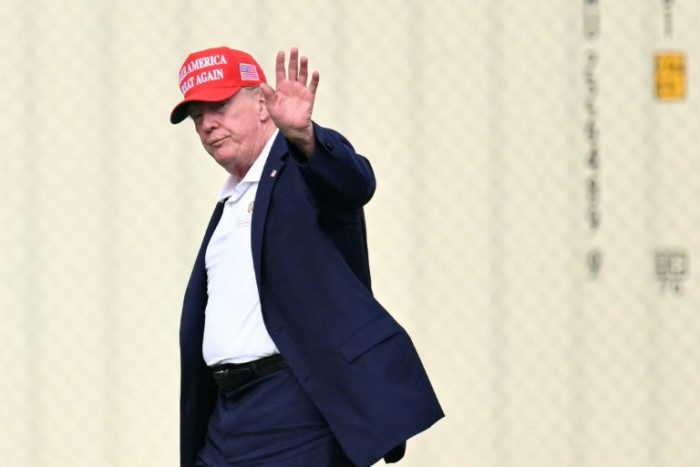
Trump Announces New AI Task Force
President Trump creates a new federal AI task force with Jay Clayton at its helm, aiming to advance artificial intelligence research and applications across the US government.
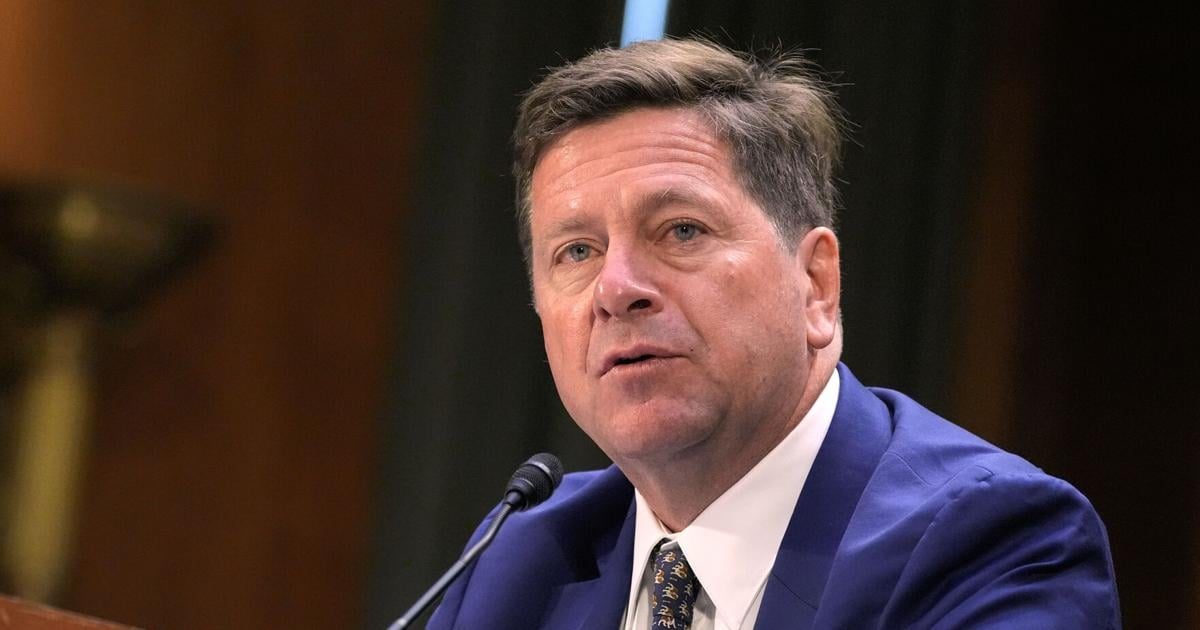
President Trump has announced the creation of a new federal AI task force, with Jay Clayton, previously named as national intelligence director in July 2026, at its helm, and is expected to focus on advancing artificial intelligence research and applications across the US government.
The task force aims to coordinate AI efforts across various government agencies, with an initial emphasis on developing and implementing AI technologies. According to sources, including a statement from President Trump's office, Clayton will oversee the development of artificial intelligence in the US, guiding AI policy and ensuring its integration into government operations.
Specific details about the task force's goals and timeline have yet to be released. However, it is reported that the new initiative is part of a broader effort by the US government to establish a national strategy for artificial intelligence, with Clayton's appointment as national intelligence director seen as a key step in this process. The Associated Press has confirmed the news, citing an official source.
The creation of the task force is also expected to have significant implications for AI research and development in the US, with potential applications in areas such as national security, healthcare, and education. As the new leader takes up his role, experts are watching closely to see how the federal government will approach AI policy and regulation, and what impact this may have on the broader tech industry.
While specific details remain scarce, President Trump's announcement of the task force is seen as a significant development in the US government's efforts to harness the power of artificial intelligence. With Clayton at the helm, the task force is expected to play a key role in shaping AI policy and ensuring its responsible development and implementation across the country.
The launch of the federal AI task force marks an important step forward for the US government in its efforts to stay competitive in the global AI landscape. As the world continues to grapple with the challenges and opportunities presented by artificial intelligence, the new initiative is seen as a crucial move by President Trump's administration to ensure that the US remains at the forefront of AI research and development.
The creation of the federal AI task force has been years in the making, with many experts calling for increased government investment in artificial intelligence research and development. In recent months, there have been reports of growing concerns over the lack of clear AI policies and regulations in the US, with some lawmakers advocating for more stringent oversight. President Trump's announcement of the new task force is seen as a response to these calls for action, with many hoping that it will provide a much-needed boost to the country's AI capabilities. The appointment of Jay Clayton, a seasoned lawyer and former Wall Street executive, to lead the task force has also been welcomed by some, who see his experience in regulatory affairs as a key asset in shaping AI policy.
As Jay Clayton takes up his role, experts are eagerly awaiting details on the task force's goals and timeline. The US government has promised to release more information in the coming weeks, but so far, no specific date or deadline has been set for the task force's launch. The lack of concrete plans has raised questions about whether the initiative will be able to overcome the existing regulatory challenges in the US AI landscape. Industry insiders are watching closely to see how Clayton will balance competing interests and ensure that the federal government takes a responsible approach to AI development and implementation. The appointment of Jay Clayton as national intelligence director has been welcomed by some, but others have expressed concerns about his background in finance and whether it will translate to effective leadership on AI policy. As the US government moves forward with its new initiative, many are holding their breaths for concrete progress.
Sources this summary is based on (2)
This article was written independently from the facts reported below. Follow the links for the original reporting.