US Congress Sees Massive Turnover
At least 83 incumbents across the House and Senate are not returning to their seats as November general elections approach.
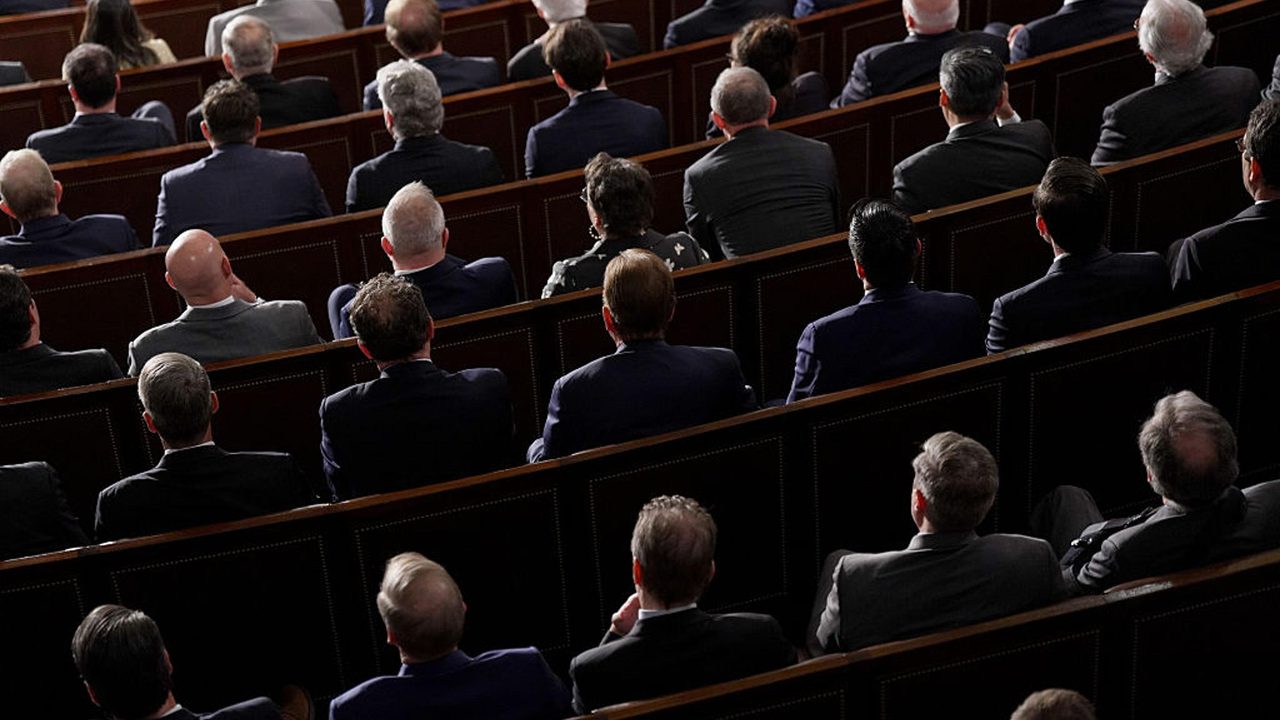
This year's US Congress is set to feature a massive turnover, with at least 83 incumbents across the House and Senate not returning to their seats. As the November general elections approach, the chamber will witness an unusually large number of new faces, with many seats up for grabs. The high turnover rate will have significant implications for committee assignments and leadership positions, and will likely lead to a more unpredictable and dynamic Congress.
The House is bracing for a massive shakeup, with at least 70 sitting representatives not returning for another term. This includes 30 Democrats and 40 Republicans, leaving lawmakers scrambling to find new candidates to fill the vacant seats. The number of new faces expected in the upcoming Congress will only increase, as more than 80 members have announced their retirement or are facing uncertain futures.
The Senate is also experiencing a significant exodus, with 13 incumbents not planning to return next year. In the House, nine lawmakers have lost primaries so far, surpassing the previous record of six set in 2018. The election cycle is expected to be highly competitive, with many seats up for grabs and disillusioned voters backing challengers in a bid to oust long-serving incumbents.
The high turnover rate has significant implications for the chamber's dynamics and leadership structure. With more than 70 members not seeking re-election, committee assignments will need to be adjusted, and leadership positions may change hands. The November general elections will determine every House seat and 35 Senate seats, ensuring that the new Congress will be shaped by the outcomes of these elections.
The high turnover rate in Congress is largely attributed to a combination of factors, including growing public dissatisfaction with politicians and increasing competition for seats. In recent years, there has been a rise in primary challenges, with more lawmakers facing opposition from within their own party. This trend has been fueled by the increasingly polarized nature of politics, as well as the influence of social media platforms on voter behavior. Thom Tillis, an intraparty critic of President Donald Trump, has spoken out about the need for change within the Republican Party, highlighting the challenges faced by lawmakers in maintaining their seats. The rise of disillusioned voters backing challengers is also a significant factor, with many seeking to oust long-serving incumbents from office. As one observer noted, 'the more that politicians are seen as out of touch, the less likely they are to be re-elected'.
The high turnover rate is expected to have far-reaching implications for Congress, with many questions remaining unanswered about the future of the chamber. While Thom Tillis has spoken out about the need for change within the Republican Party, no further details have been released on how this shift will play out in the November elections. Meanwhile, President Donald Trump's health issues have raised concerns about his fitness for office, but it remains to be seen whether this will impact his re-election prospects or those of other lawmakers facing similar challenges.
Sources this summary is based on (3)
This article was written independently from the facts reported below. Follow the links for the original reporting.