NASA Pours Resources into Moon Base and Deep Space Exploration
US agency shifts focus to building lunar base and interplanetary spacecraft with fission power.
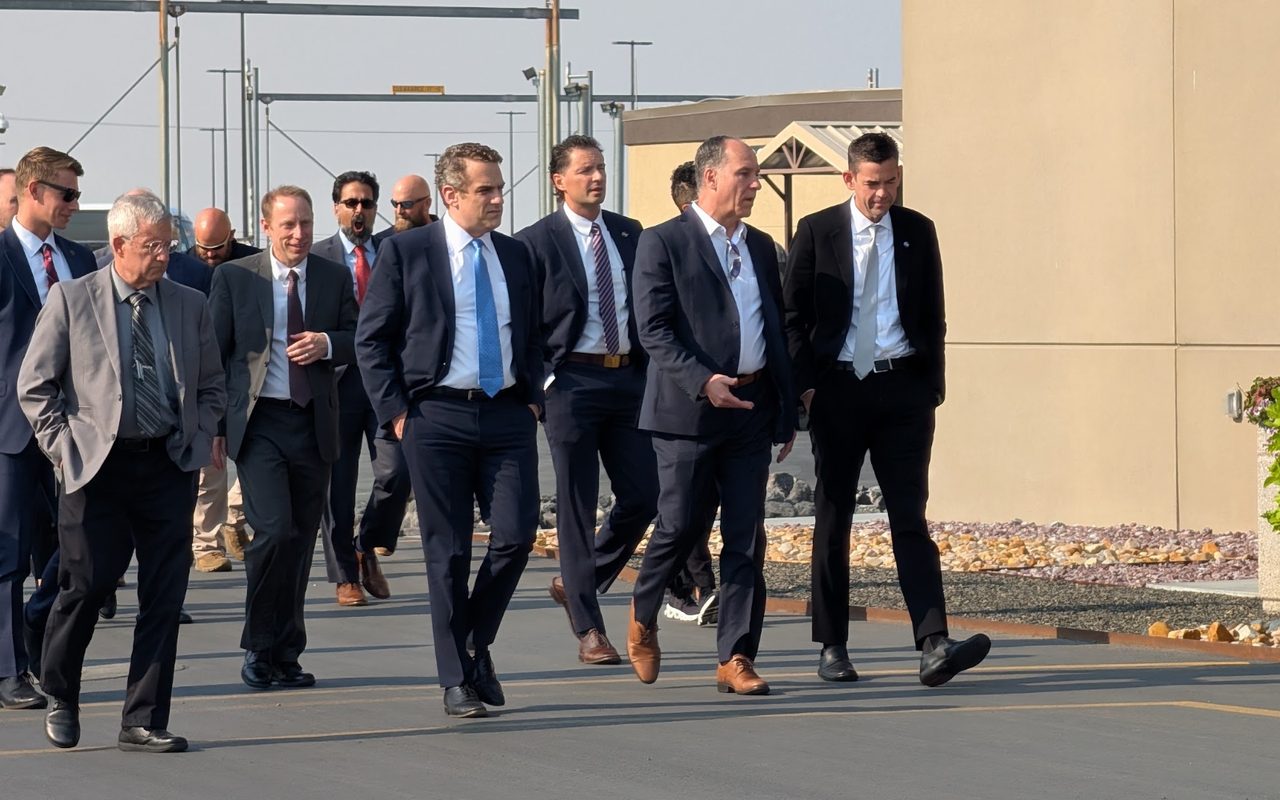
NASA Administrator Jared Isaacman toured Idaho National Laboratory facilities on August 7, boosting the agency's confidence in its space nuclear propulsion mission. The US is shifting resources to focus on building a moon base and deep space exploration, with the first fission-powered interplanetary spacecraft expected to be launched by NASA. According to sources close to the project, Idaho National Laboratory has been selected as a key partner for NASA's nuclear space propulsion mission.
The shift in focus towards building a moon base and deep space exploration is part of a broader US strategy aimed at staying competitive with China in the new space race. According to Jared Isaacman, America must prioritize deep space exploration over commercial satellite launches if it hopes to maintain its position as a leader in the field. The US Department of Energy's funding for NASA's Space Reactor-1 Freedom project is seen as a key component of this strategy, with the goal of securing humanity's deep space future. With China also reportedly working on its own lunar South Pole race and Mars deep space exploration program, the stakes are high for NASA's ambitious mission.
The successful lab visit has sent a positive signal about the progress of NASA's Space Reactor-1 Freedom project, with Jared Isaacman expressing optimism about the mission's prospects. 'We're making significant progress and we're on track to achieve our goals,' he said during his visit to Idaho National Laboratory. The lab's contributions to the project have been crucial in boosting NASA's confidence in its space nuclear propulsion mission. However, the exact timeline for the launch of the first fission-powered interplanetary spacecraft remains unclear, with some experts speculating that it may be launched sooner than expected. Unconfirmed reports suggest that the US Department of Energy is providing additional funding to support the project, but this has not been officially confirmed by NASA.
Sources this summary is based on (2)
This article was written independently from the facts reported below. Follow the links for the original reporting.