Microsoft Patches 398 Security Updates Including Zero-Day Vulnerability
Microsoft releases 398 security updates, including one zero-day vulnerability actively exploited by hackers.
Microsoft has released 398 security updates for Windows operating systems and supported software, including one zero-day vulnerability (CVE-2026-68820) that is already being actively exploited.
The sheer scale of these updates reflects the ongoing threat landscape, with 42 critical flaws patched by Microsoft earning the 'critical' rating, indicating severe severity. This month's batch of fixes was nearly 200, and August's is double that amount, leaving many users wondering what new security risks they may face.
Experts warn that Windows users should get used to the idea of Patch Tuesdays covering hundreds of newly discovered security flaws, as Microsoft has attributed recent patch deluges to vulnerability discoveries aided by artificial intelligence. As a result, users can expect hundreds of newly discovered security flaws fixed on Patch Tuesdays, with no end in sight to this trend.
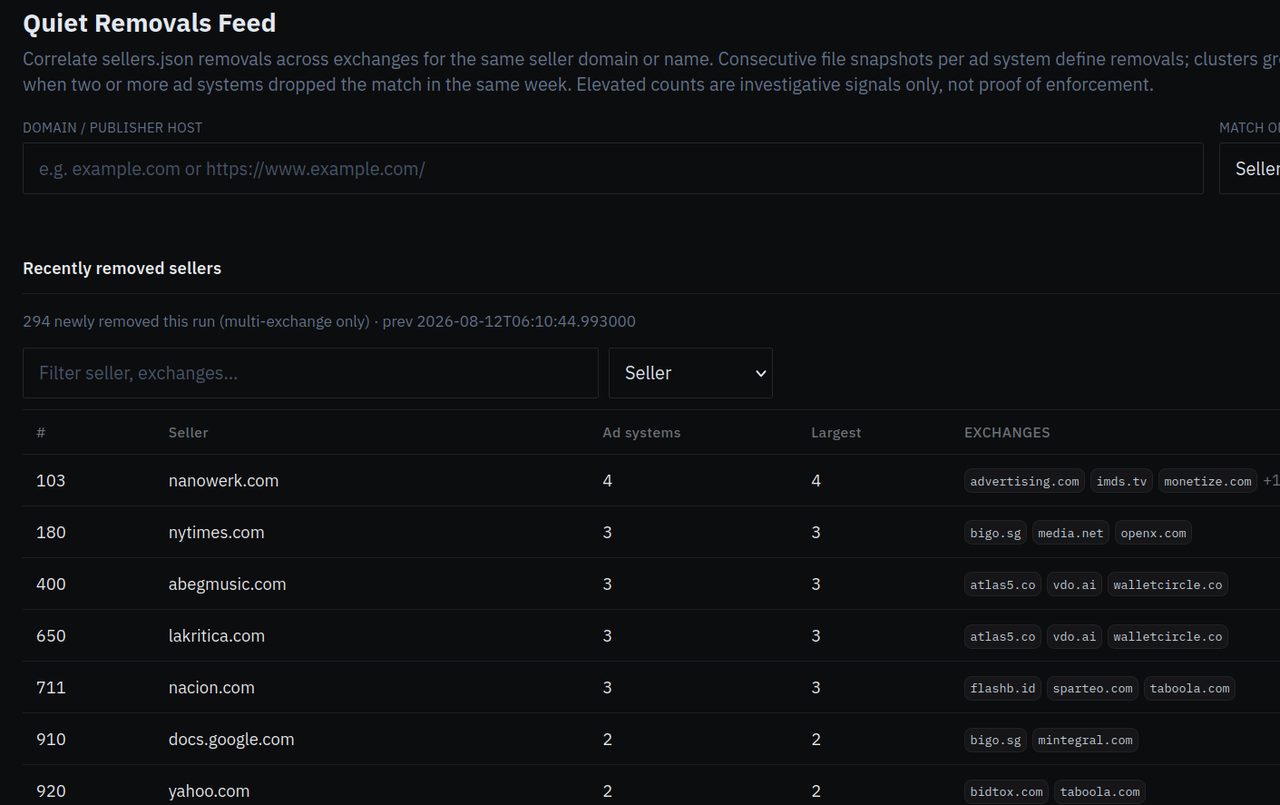
Microsoft's efforts to combat these threats have also shed light on another zero-day bug, CVE-2026-62832, which is likely to be exploited by hackers. Meanwhile, a new service called DecryptAds aims to approach adtech from a security perspective, using publicly available files to disclose companies allowed to run ads or collect user data.
The DecryptAds website was launched on an unspecified date, but its chief research officer, Zach Edwards, has been described as a threat researcher at Infoblox. According to Automox, the driver behind Windows socket connections is called afd.sys, which is also affected by the sole known zero-day bug fixed by Microsoft this month.
Microsoft's recent patch releases have also highlighted another vulnerability, ShieldBreak, which targets Windows Defender and allows hackers to move from low-level user access to system-wide control. The bug affects Windows 10, Windows 11, and Windows Server 2025, with security researcher Nightmare Eclipse publishing details of the vulnerability on August 11, 2026.
As users navigate this increasingly complex threat landscape, DecryptAds offers a powerful tool for building a more complete picture of the advertising ecosystem. The service can help track down malicious ads, identify ad networks in adversarial nations, and detect AI-generated slop websites and apps.
The recent surge in security updates from Microsoft has raised concerns about the increasing threat landscape on Windows operating systems. According to Zach Edwards, chief research officer of DecryptAds, a new service aiming to approach adtech from a security perspective, experts warn that users should get used to Patch Tuesdays covering hundreds of newly discovered security flaws. This trend is attributed to vulnerability discoveries aided by artificial intelligence, leaving many wondering what new security risks they may face. With 42 critical flaws patched this month and August's batch expected to be double that amount, the sheer scale of these updates reflects the ongoing threat landscape.
As news of Microsoft's latest patch cycle spreads, concerns are growing about the impact on users. Zach Edwards, chief research officer at DecryptAds, has stated that his service can help build a more complete picture of the advertising ecosystem by tracking down malicious ads and identifying ad networks in adversarial nations. However, the exact timeline for when these updates will be available remains unknown. Automox's description of afd.sys as 'the driver behind Windows socket connections on effectively every endpoint' suggests that even this core component may not be immune to future vulnerabilities.
Sources this summary is based on (3)
This article was written independently from the facts reported below. Follow the links for the original reporting.