India Supreme Court Orders Kuki-Naga Groups to Submit Proposals to End Highway Blockade
The Supreme Court has asked both groups to submit proposals to lift the highway blockade in Manipur, which has left residents with acute shortages of essential commodities.
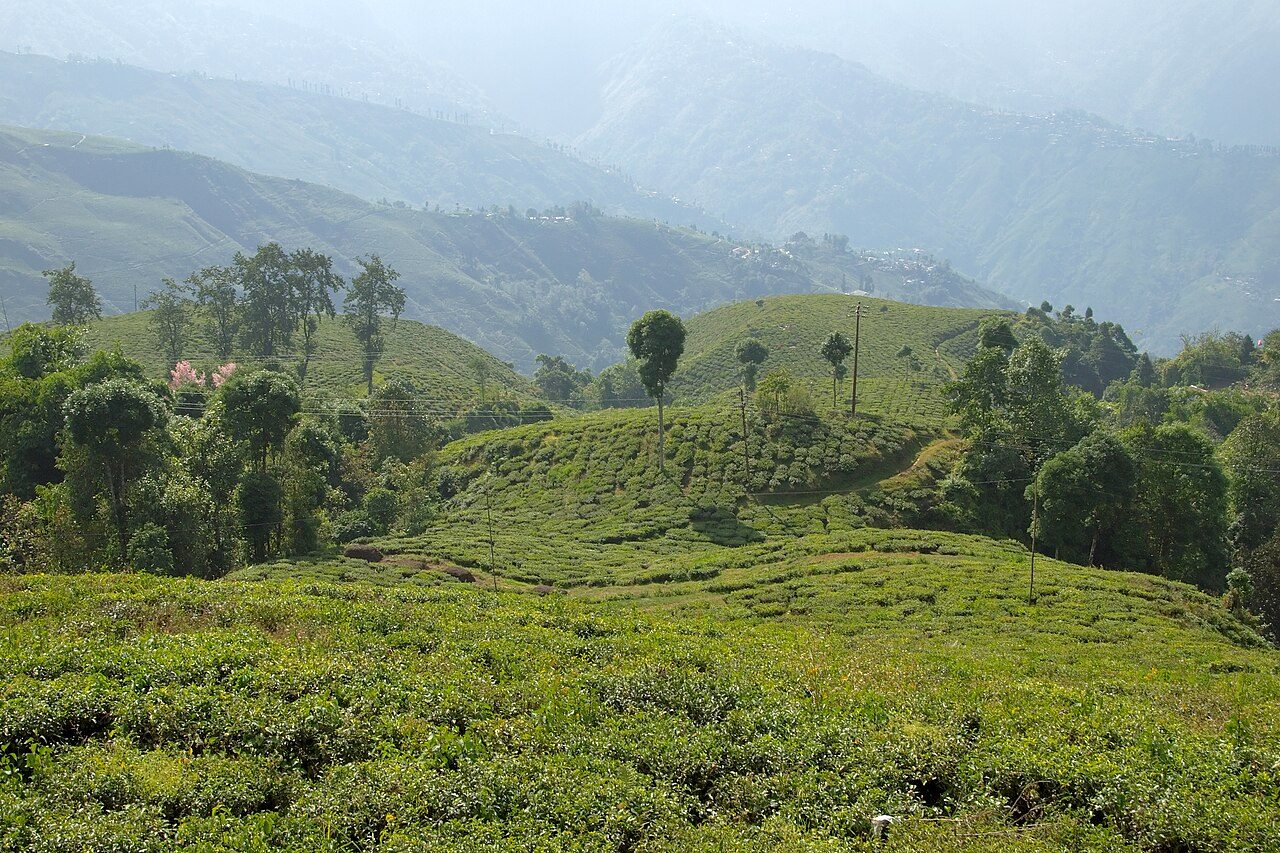
The Supreme Court of India has asked Kuki and Naga groups to submit comprehensive proposals to end the ongoing highway blockade in Manipur, which has left residents of hill districts with acute shortages of essential commodities. The blockade, triggered by a series of violent incidents in May 2026, has blocked major national highways, including National Highway-2 connecting Imphal with Dimapur, and affected supplies of food, fuel, and medicines to Kuki-Zo villages. Three people were killed and several others injured when suspected armed assailants ambushed a group of Kuki-Zo church leaders on May 13, 2026, in a disturbing incident that has heightened tensions between the two groups.
The violent incidents in May 2026, which led to the blockade, were reportedly sparked by a series of armed clashes between Kuki and Naga groups. According to reports, the violence began after a group of suspected assailants ambushed a group of Kuki-Zo church leaders on May 13, 2026, killing three people and injuring several others. The incident has been described as a 'disturbing' turning point in the conflict, highlighting the deep-seated tensions between the two groups. In response to the violence, the Kuki and Naga groups blocked major national highways, including National Highway-2 connecting Imphal with Dimapur, leading to acute shortages of essential commodities in hill districts. The blockade has been in place since May 17, 2026, and has severely disrupted supplies of food, fuel, and medicines to Kuki-Zo villages, according to the Kuki Women Organisation for Human Rights (KWOHR). The group has accused the blockade of amounting to collective punishment for the Kuki-Zo community.
The Supreme Court's intervention in the Manipur highway blockade comes amid reports of severe shortages of essential commodities in hill districts, with residents struggling to access basic necessities like food and medicine. The court's warning that sweeping directions issued by the state might lead to violence against innocent people has added a layer of complexity to the already volatile situation. KWOHR argues that the prolonged restrictions amount to collective punishment, sparking concerns about human rights and humanitarian law. The blockade has also raised questions about the role of national highways in facilitating trade and commerce, with several major routes currently blocked or restricted due to the dispute between Kuki and Naga groups. National Highway-2, connecting Imphal with Dimapur, is among the most affected, with reports of acute shortages of fuel and food supplies in Kuki-Zo villages since May 17, 2026. The blockade has disrupted not only the local economy but also had a ripple effect on neighboring regions, highlighting the need for a comprehensive solution to end the conflict. The court's order for both Kuki and Naga groups to submit proposals on how to lift the blockade and restore normalcy to the affected areas is seen as a positive step towards resolving the crisis. However, concerns remain about the potential for further violence and the impact of the blockade on innocent civilians.
Sources this summary is based on (3)
This article was written independently from the facts reported below. Follow the links for the original reporting.
- Supreme Court Calls For Comprehensive Proposals From Kuki, Naga Groups To End Manipur Highway Blockades lawbeat.in
- Fire Safety PIL: Supreme Court Pulls Up Lawyer Over Party-In-Person Appearance, Says “Be Responsible” lawbeat.in
- Who Is Liable for an Elevator Accident? Supreme Court Explains Duty of Manufacturers, Operators, Owners lawbeat.in